
Why Interconnect Design Matters in Quantum Computing
Over the past two decades, computing performance has advanced at a rapid pace. Systems that once occupied entire rooms are now replicated thousands of times across global data centers, delivering processing power on demand. At the same time, new workloads such as artificial intelligence, real-time analytics, and advanced simulation are driving ever higher data rates and tighter performance margins.
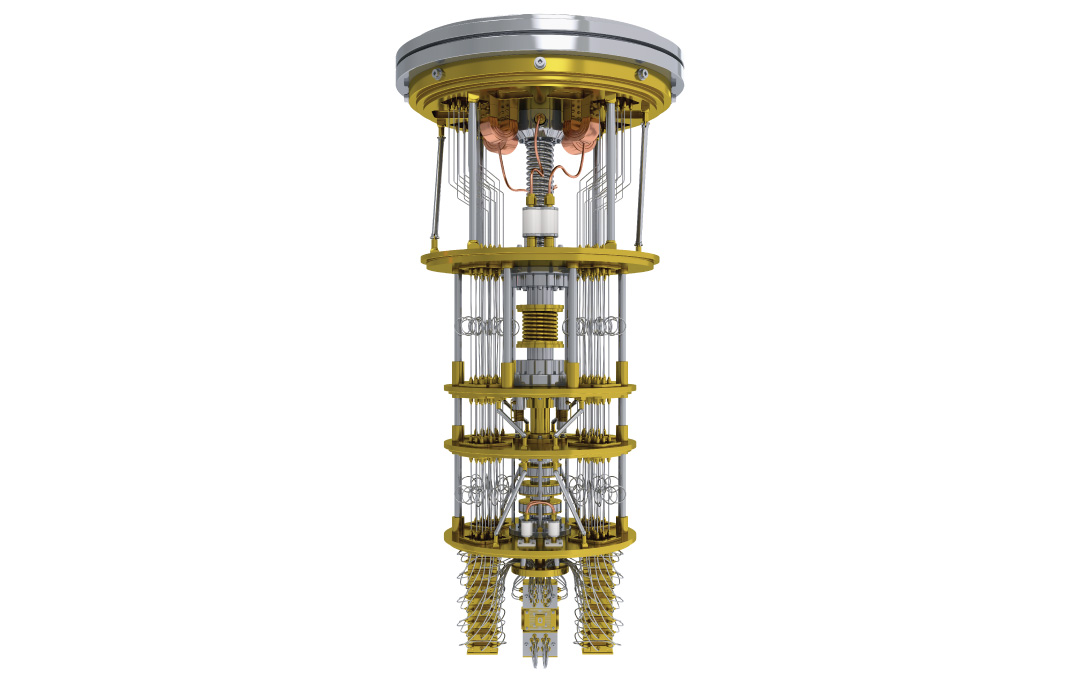 Figure 1. Cryogenic Wiring Infrastructure of a Superconducting Quantum Processor
Quantum computing represents the most extreme example of this trend. While it relies on physical principles that are fundamentally different to conventional computing, it places extraordinary demands on the supporting electronics. In particular, on the interconnect solutions deliver power, signals, and data throughout the system.
For connector and cable designers, quantum computing is best viewed not as a separate category, but as a clear illustration of challenges emerging in high-performance computing. It shines a spotlight on requirements that are already present across high-performance computing architectures. Signal integrity, mechanical reliability, material selection, and interface design are no longer secondary considerations. They are central to system performance.
The Impact of Artificial Intelligence and Accelerated Workloads on Interconnect Performance
Artificial intelligence and machine learning workloads place unique demands on computing infrastructure. Large volumes of data must be moved quickly between processors, memory, and accelerators, often with low latency requirements.
| AI Workload Characteristic | Resulting Challenge | Design Implications |
|---|---|---|
| Massive data movement between CPUs, GPUs, and accelerators | Bandwidth saturation and congestion | Higher-speed links, low-loss materials, optimized routing |
| Real‑time or low‑latency inference | Latency sensitivity across short‑reach channels | Minimized discontinuities, improved connector launch geometry |
| Dense compute packaging (GPU pods, AI servers) | Increased crosstalk and electromagnetic interference | Enhanced shielding, tighter impedance control |
| Continuous training workloads | Long-duration thermal stress | Connectors and cables rated for mechanical and thermal reliability |
| Parallelized compute pipelines | Synchronization and timing integrity | Low-jitter interconnects, consistent signal integrity across channels |
These applications amplify the importance of signal integrity and thermal management. Interconnects must operate reliably in environments where power densities and temperatures fluctuate significantly over time.
Understanding Quantum Computing and Its Impact on System Architecture
Quantum computing differs from conventional computing. Conventional computing is predominantly digital. Each unit of information is represented by a binary state, commonly described as either a zero or a one. Quantum computing, by contrast, uses quantum bits known as qubits. A qubit can behave as if it represents more than one value at once, enabling quantum computers to evaluate many possible outcomes during a single calculation. This capability allows quantum systems to outperform classical computers on specific problems.
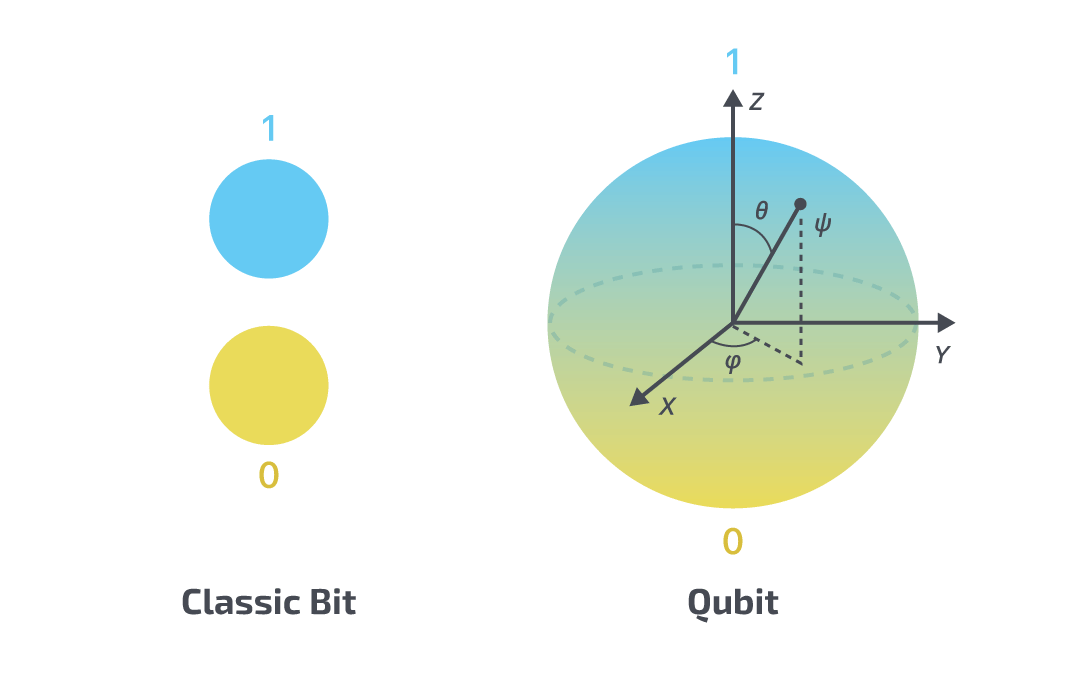 Figure 2. Classic Bit vs. Qubit Representation
Although the way in which quantum computing works is fundamentally different, quantum systems still depend heavily on conventional electronics for control, readout, and data processing. These must operate in close proximity with extremely sensitive quantum devices, which are often maintained under cryogenic conditions.
Why Quantum Computing Requires High-Performance Interconnect Solutions
Quantum computing environments push interconnects to their extremes. Signals must be delivered with low loss, minimal noise, and high mechanical reliability, often across significant temperature gradients. Magnetic interference, thermal contraction, and material stability all become critical considerations.
As a result, quantum systems highlight interconnect challenges that are increasingly relevant to advanced classical computing platforms.
Specialized Applications of Quantum Computing Technology
Quantum computing is not a general-purpose replacement for conventional computing. Instead, it is suited to the specialist roles that have entered the public awareness over recent years, including machine learning optimization, cryptography, and complex simulation. These applications follow the trend of highly optimized, application-specific hardware in which connector performance directly impacts a system’s capabilities.
Key Design Principles for Quantum and High-Performance Interconnect Solutions
Quantum computing is a unique case study for high-performance connector design. While the challenges it presents are not unique, extreme operating conditions mean that small design flaws can become major failures. Addressing these conditions requires a holistic approach, one that considers electrical, mechanical, and material factors together.
The following five considerations are central to designing interconnect solutions capable of supporting both quantum and next-generation high-performance computing systems.
1. Using Cables to Bypass the PCB
For decades, the PCB has been the most common solution for electronic designers. Its combination of compactness and ease of manufacture has made it ideal for computing systems. However, as data rates increase, PCB traces have become a significant source of signal loss and distortion. Even with advanced low-loss materials, long trace lengths and multiple pathways introduce insertion loss, impedance discontinuities, and reflections that degrade signal integrity.
One increasingly effective strategy is to bypass portions of the PCB by using high-performance cable assemblies. Direct-attach cable solutions can connect devices with controlled impedance and lower overall loss compared to equivalent PCB traces.
By reducing the portion of the signal that travels via the PCB and eliminating unnecessary transitions, cable-based connectors help extend the reach of high-speed signals while preserving eye opening and timing margins. This approach is already widely used in high-speed networking and is becoming increasingly relevant in compute-intensive systems, including quantum platforms.
2. The Importance of Non-Magnetic Components
Electromagnetic interference is a constant challenge for designers of high-speed electronic systems. Protecting sensitive devices from radiation has been important for decades, but magnetic interference is becoming an equally important consideration. In quantum systems, even small magnetic fields can disrupt qubit operation and measurement accuracy.
The use of non-magnetic materials in connectors and cable assemblies helps minimize unwanted magnetic coupling and interference. While this requirement is most obvious in quantum computing, it also benefits the current generation of high-performance systems in which signal margins are tight and noise sources are numerous.
Careful material selection, including contact alloys, housings, and shielding components, plays a critical role in achieving consistent and predictable performance.
3. Mechanical Reliability in Extreme Thermal Environments
Electrical performance alone does not define interconnect quality. Mechanical reliability is equally important, particularly in environments subject to extreme temperatures and thermal cycling.
In modern data centers, components experience repeated heating and cooling as workloads vary. Quantum computing systems extend this challenge further by operating at cryogenic temperatures, often near absolute zero.
At these extremes, materials can behave very differently. Differential thermal expansion, changes in contact force, and material embrittlement can all affect long-term reliability. Selecting materials with appropriate thermal properties and designing connectors to maintain stable mechanical interfaces across temperature ranges is essential.
4. Connector Mechanical Design as a Signal Integrity Factor
Connector geometry now plays a direct role in signal integrity. At high frequencies, abrupt changes in geometry introduce reflections, mode conversion, and impedance discontinuities that degrade performance.
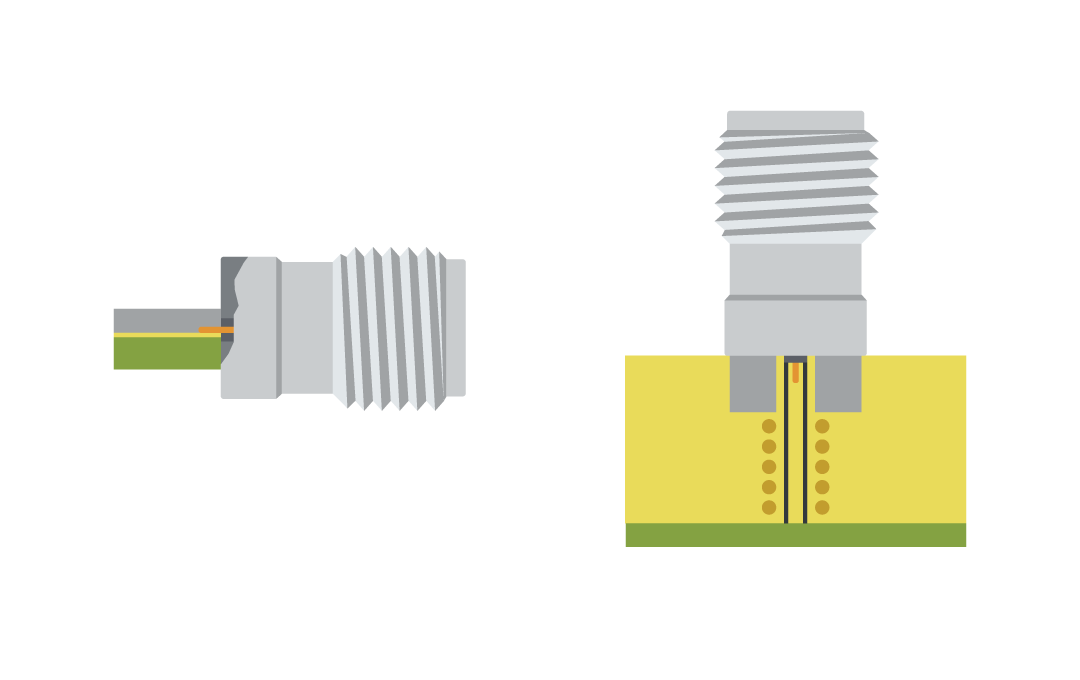 Figure 3. End-Launch SMA Connector for High-Frequency PCB Designs
Modern connector design focuses on creating smooth, controlled signal paths that minimize discontinuities. One example is the use of end-launch connectors, which remove unnecessary right-angle transitions and provide a cleaner interface between the PCB and the connector.
By carefully managing the physical shape of the signal path, designers can achieve measurable improvements in insertion loss, return loss, and overall channel performance.
5. Optimizing the PCB-to-Connector Transition
As data rates climb, the transition from the PCB or substrate to the connector can often become the dominant source of signal loss. In some cases, this interface has a greater impact on performance than the connector itself.
Optimizing this transition requires close coordination between PCB layout, connector selection, and cable design. Launch geometry—the way in which the signal leaves the PCB and enters the connectors—along with ground reference continuity and impedance matching must all be carefully controlled to avoid reflections and loss.
This integrated approach reflects a broader shift in interconnect design. Rather than treating the PCB, connector, and cable as separate elements, they must be designed as a unified system.
Engineering for Increasing System Complexity and Next-Generation Computing Demands
Quantum computing represents one of the most demanding environments in modern electronics. While its underlying technology is unique, the interconnect challenges it presents are increasingly familiar across high-performance computing platforms.
Signal integrity, mechanical reliability, material selection, and interface optimization are no longer optional considerations. They are essential to delivering reliable performance at scale.
By addressing these challenges, designers can deploy connector solutions that meet the needs of today’s most advanced computing systems while laying the foundation for the next generation of innovation.
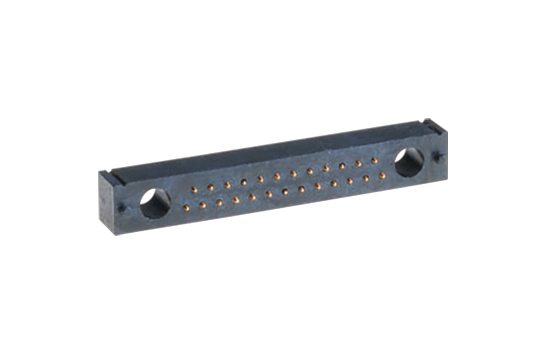 Stacking Connectors
 Optical Transceivers
 High-Frequency RF & Microwave Connectors